Imaginings
stories, creative nonfiction, poetry, and other imaginative accounts of the natural world
-
Capturing the Environment
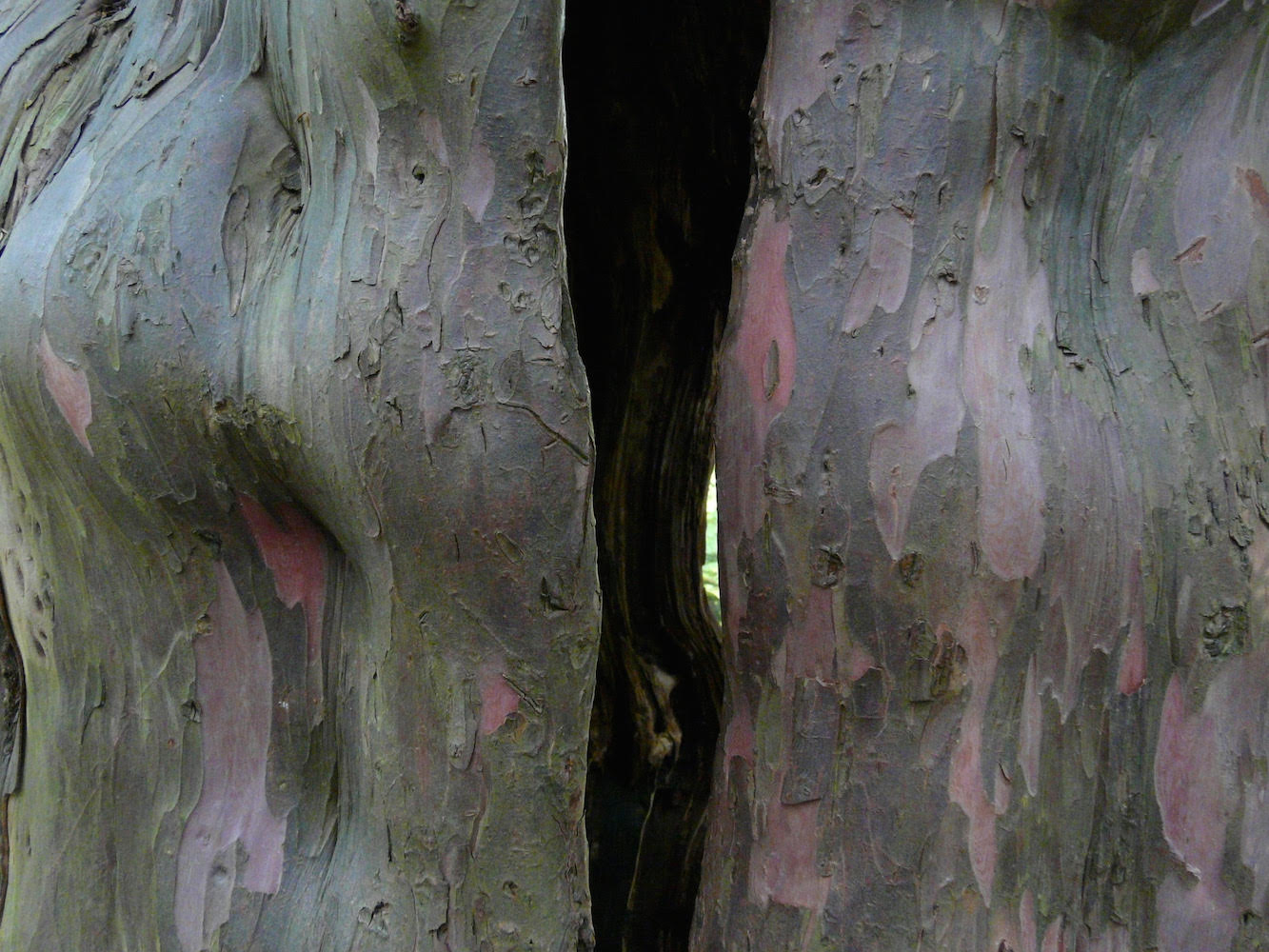
“Visualizing the Environment: Environmental Photography Workshop” By Sasha L. Gora This very blog is framed around the idea of seeing the woods, but what about photographing the woods? The common expression,“Can’t see the wood (or forest) for the trees,” communicates the sense of not being able to visualize the big picture. One is simply too
-
Fifty Years Ago, Cockchafers Belonged to Spring…
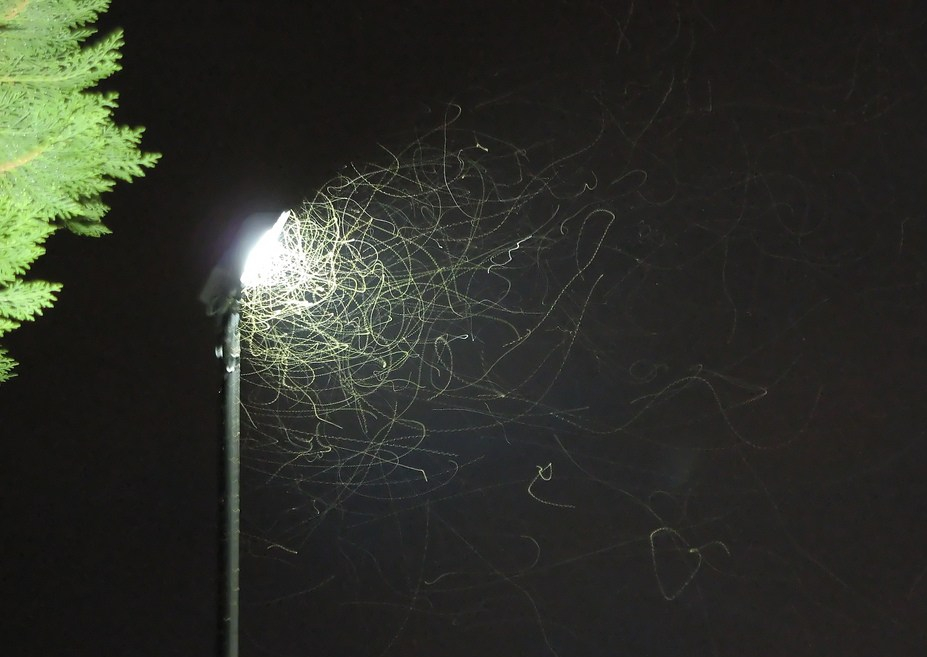
By Birgit Müller and Susanne Schmitt We met Ernst-Gerhard Burmeister at the Bavarian State Collection of Zoology where he has dedicated most of his professional life to the amazing collection of over 25 million zoological specimens, one of the largest natural history collections in the world.
-
Insect Profile: The Cockchafer
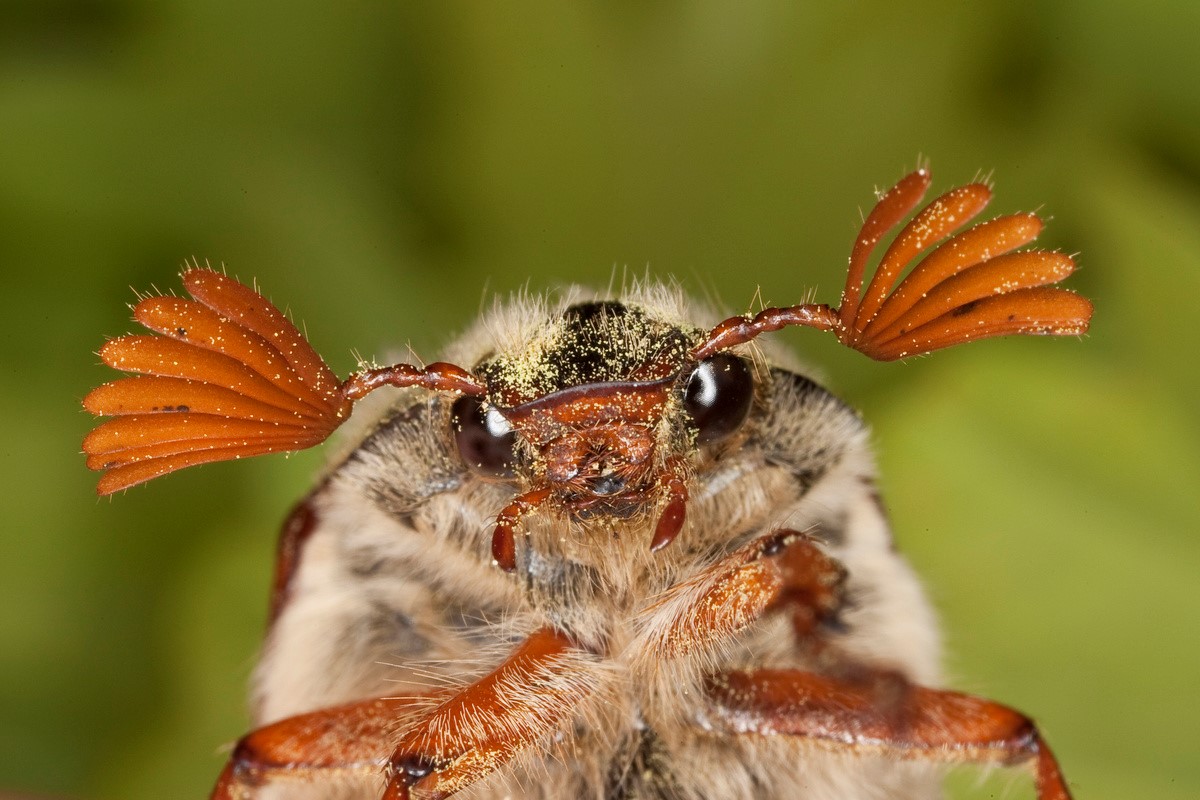
“The Cockchafer, Part 1” By Birgit Müller and Susanne Schmitt On a warm night in May, the cockchafer crawls out of the earth for the first time to take flight into the bushes and trees. It has been living below ground for four years since it first hatched: a pale, fat, maggot-like grub that will
-
Crossing Species and Cultures: New Histories of Pacific Whaling
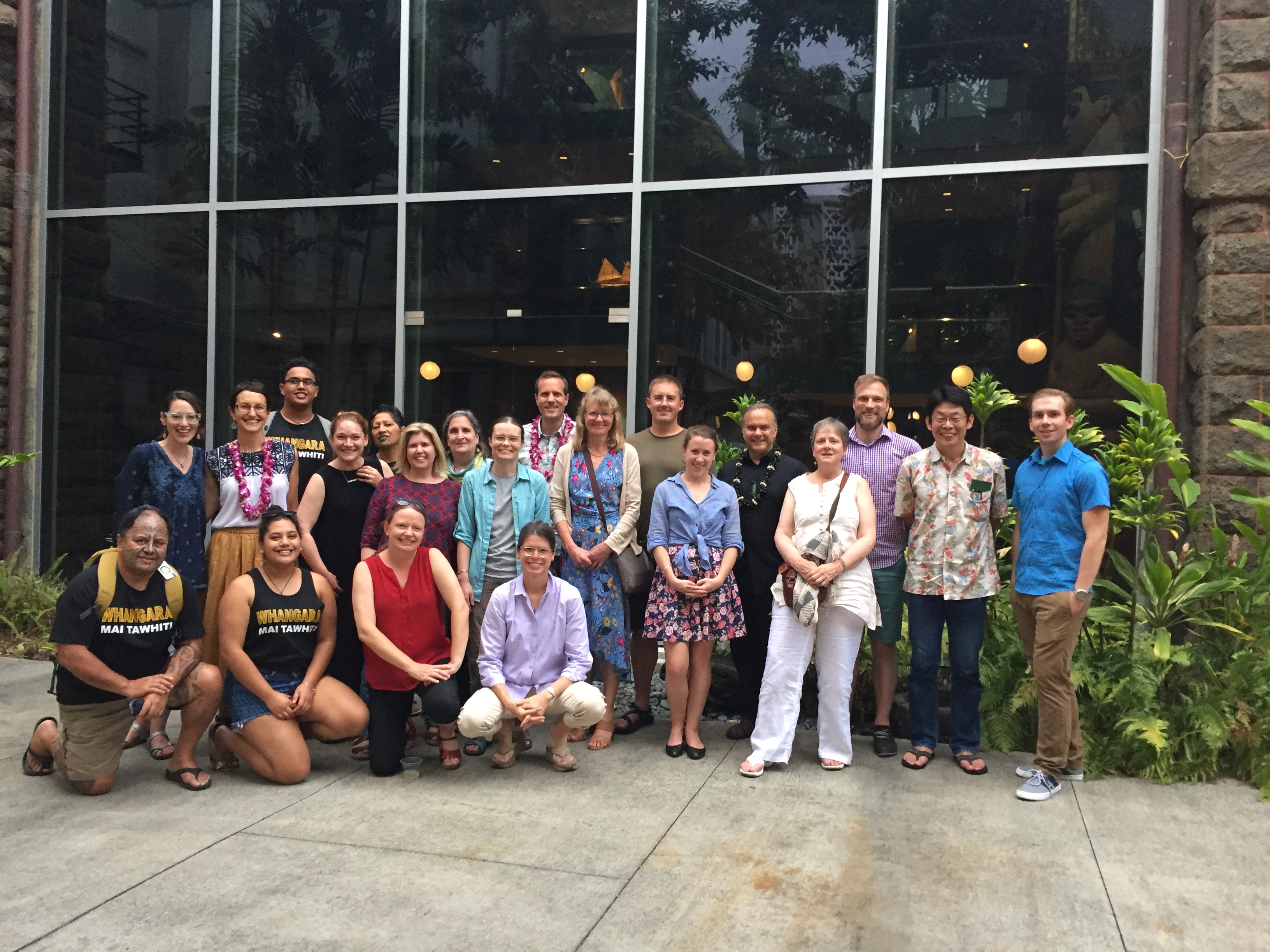
By Ryan Jones (All photos courtesy of the author) In late June, the Rachel Carson Center cosponsored a two-day pre-read workshop at the University of Hawaii at MÄnoa on “Crossing Species and Cultures: New Histories of Pacific Whaling.” Participants were invited to think about animal-human interactions, as well as the intersection between environmental and cross-cultural
-
Making Tracks: Birgit Schneider
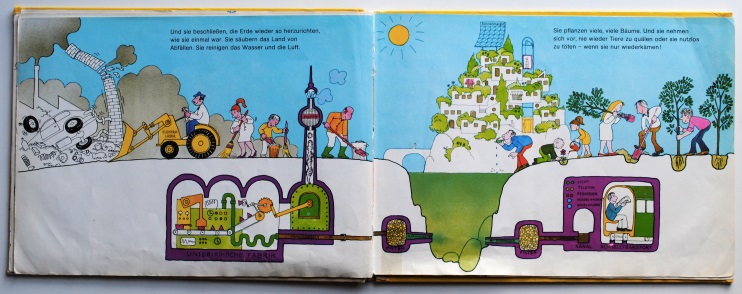
By Birgit Schneider I have been interested in representations with a focus on visuality for a very long time. In fact, it wasn’t my early childhood experiences with the outdoors that led to my interest in environmental issues in the first place, but rather my mediated experiences with nature. Like most others, I frequently encounter…
-
The Birth and Quick Death of Canada’s First Commercial Brewery, 1671–1675
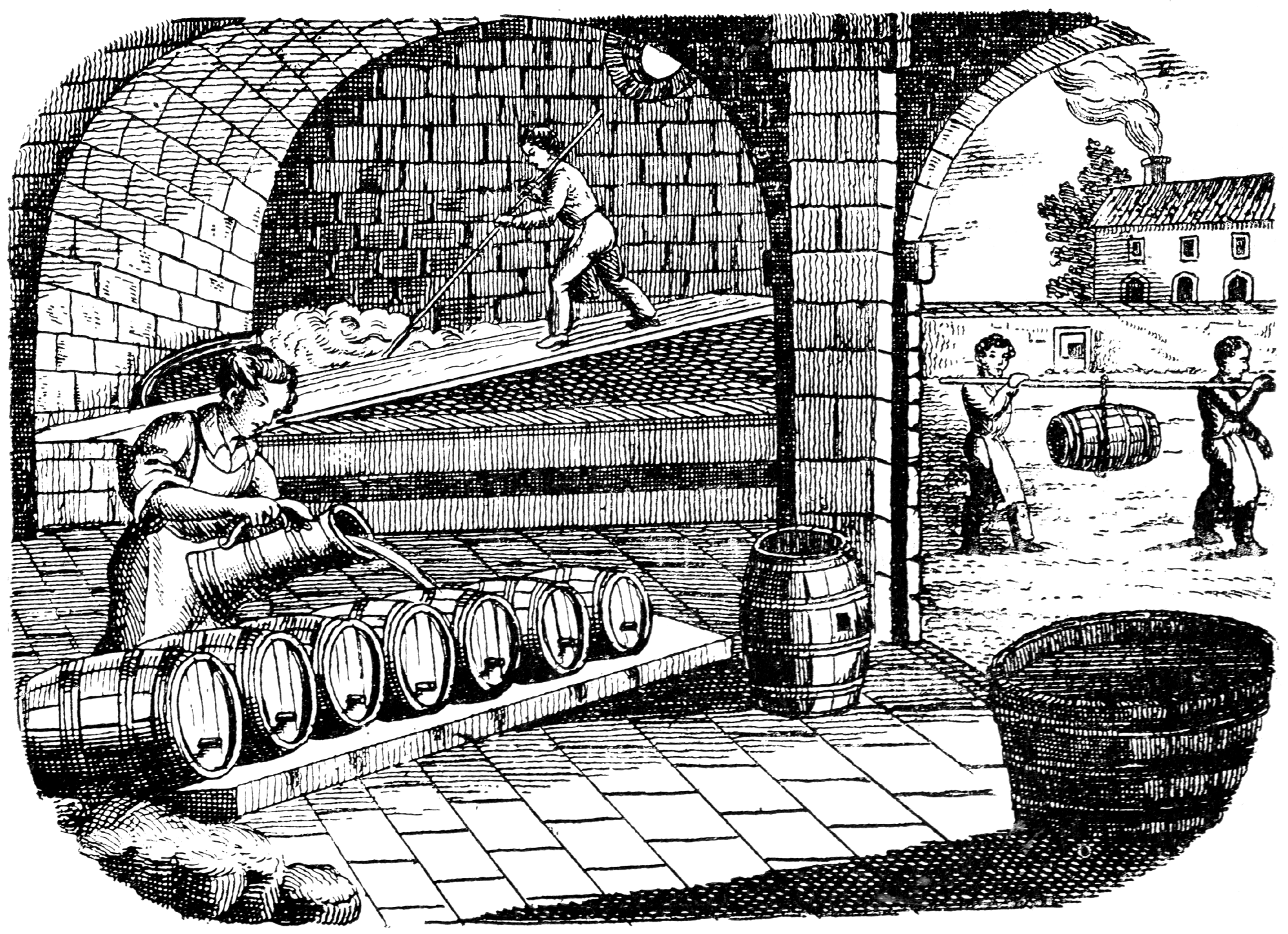
By Matthew Bellamy Few nations are more blessed by nature than Canada when it comes to brewing beer. The vast northern territory has ideal climatic conditions to produce all of the natural ingredients—barley, hops, and fresh water—to manufacture a perfect pint.
-
The Environmental History of the Pacific World
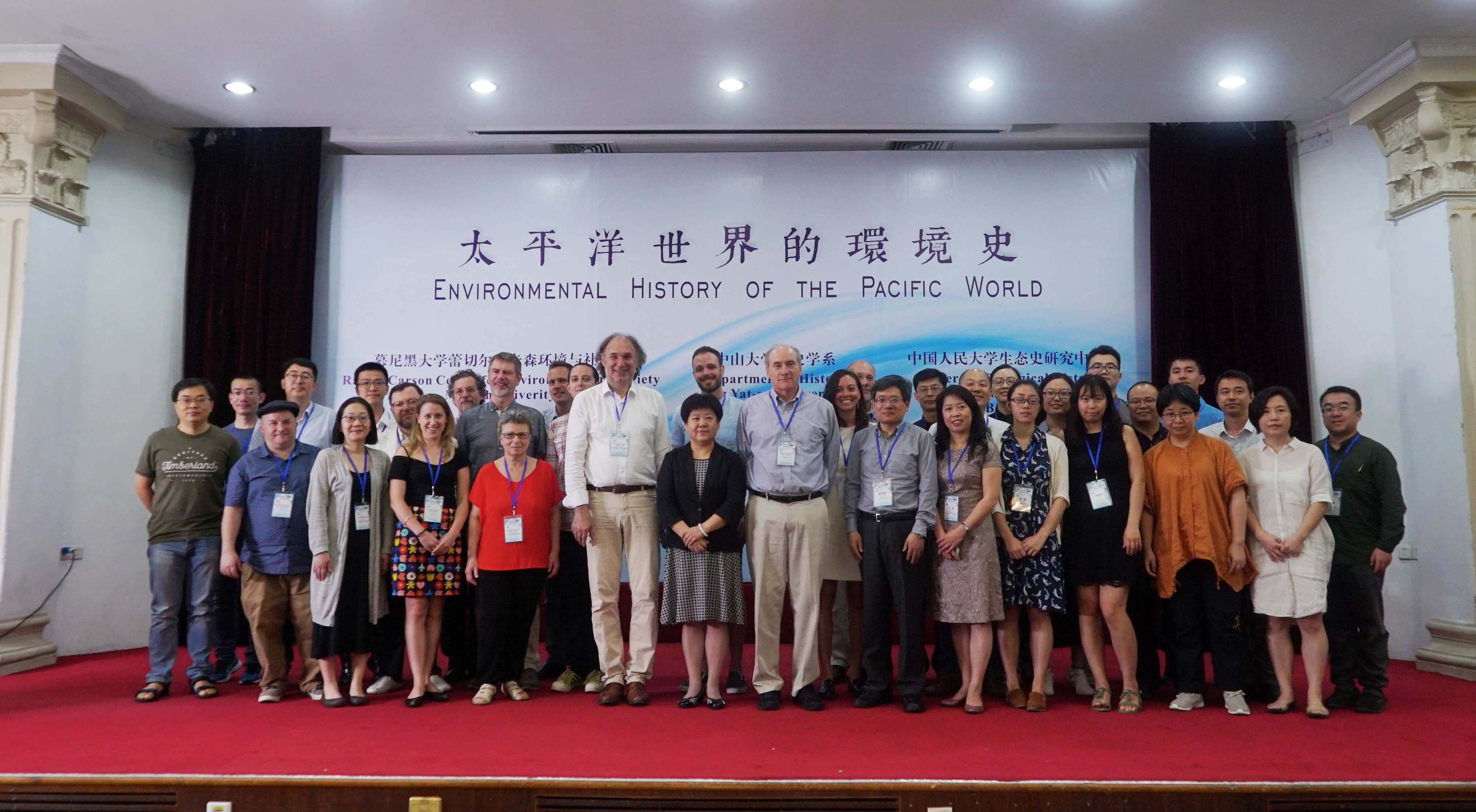
Conference report (24–26 May 2018, Sun Yat-sen University, Guangzhou, China) by Shen HOU (all photos courtesy of the author) The Pacific Ocean is the outcome of plate tectonic movement and one of the largest eco-regions on earth. It was explored by ancient navigators, and people dispersed to all of the ocean’s shores during early waves
-
Where Have All the Insects Gone?
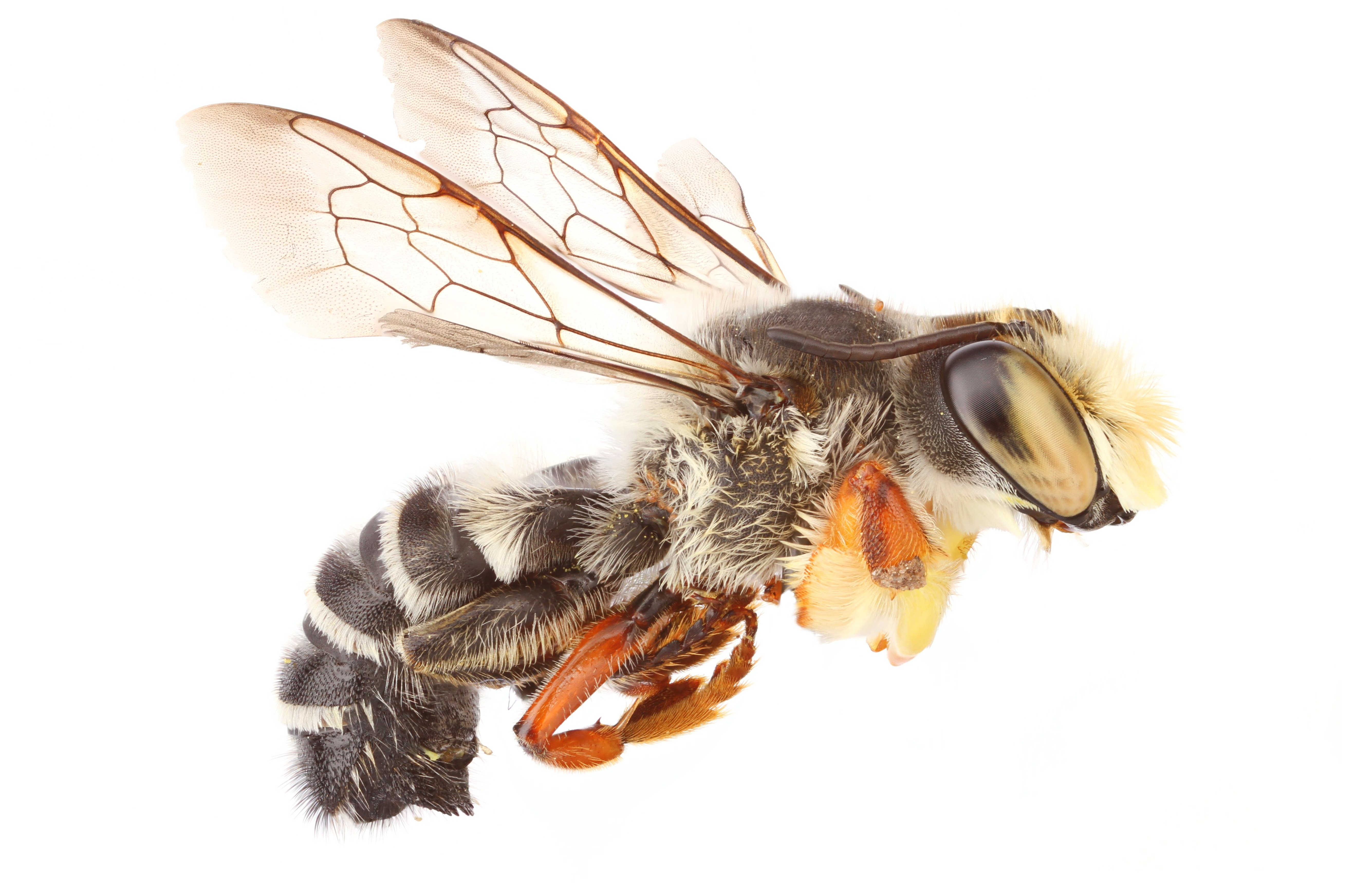
For many of us, engaging with insects doesn’t extend much beyond swatting away flies and mosquitoes, or calling on bigger and braver friends to deposit unwanted “visitors” outside. And yet, as E.O. Wilson observed, it is we who are the visitors in “a primarily invertebrate world.”
-
Making Tracks: Lynda Walsh
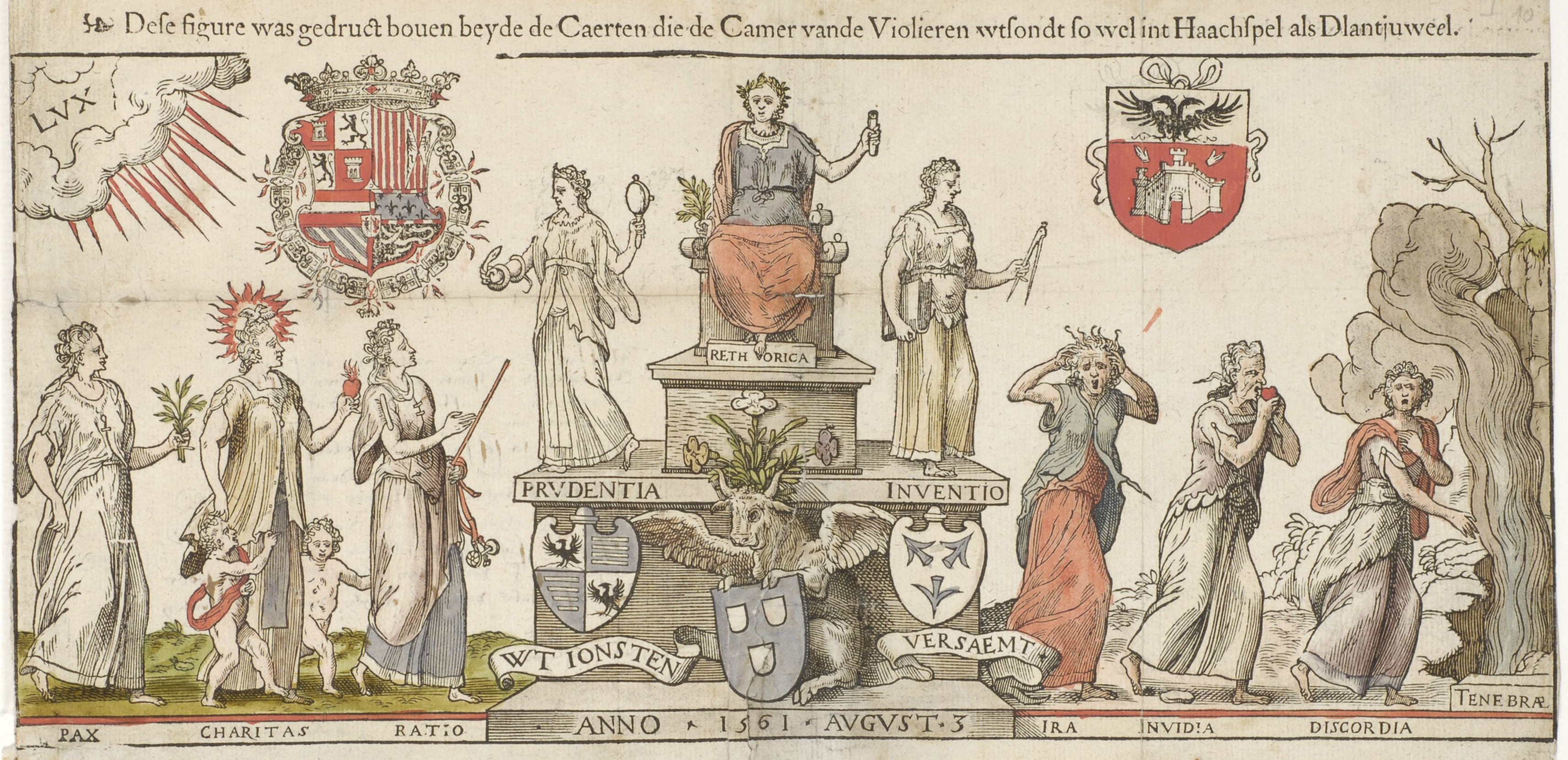
By Lynda Walsh I’m not 100 percent positive, but I believe I may be the first rhetorician who has been a fellow at the Rachel Carson Center. This impression was corroborated by the confused squints that frequently greeted me when I introduced myself in the corridors or at a Works-in-Progress meeting: “Rhetoric?” my new colleagues…